
Share


Glaucoma is hereditary which means it often runs in families. If you have glaucoma, your children have a higher risk of developing glaucoma later in life, even if their vision currently appears normal.
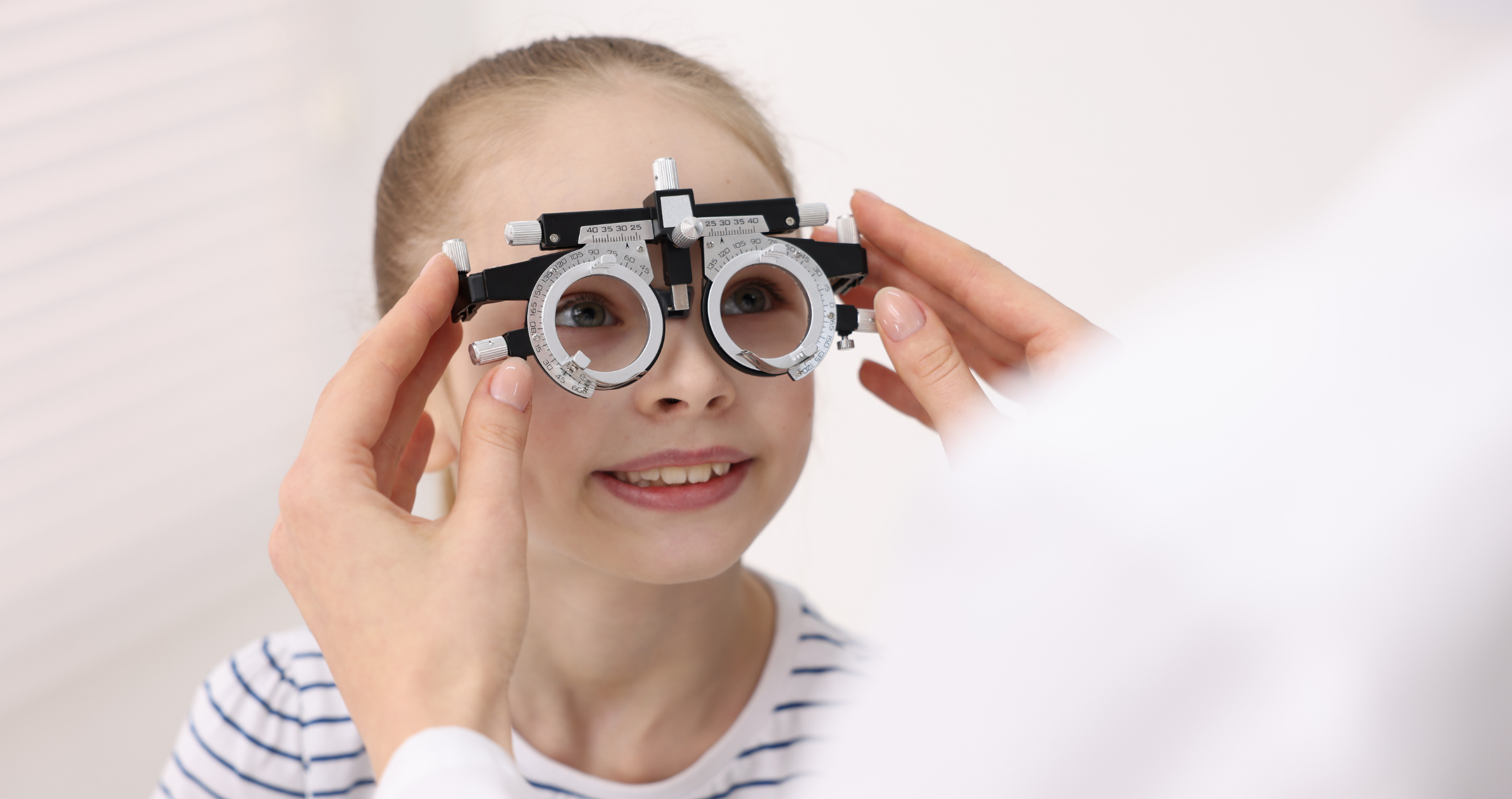
In fact, people with a direct family member who has glaucoma are 10x more likely to develop glaucoma1. This translates to an almost 1 in 4 chance of developing glaucoma in their lifetime. In this case, glaucoma has been seen to emerge earlier and progress faster without close monitoring. This risk may double in children of parents with advanced glaucoma, so conversations around the timeline and severity of the disease with family members are valuable2.
When glaucoma can develop and why early eye tests matter
Whilst glaucoma can develop at any age, the average age of onset is in mid-to-late adulthood. The age of diagnosis of parents may influence how early glaucoma may develop. There are congenital forms of glaucoma that occur in infants, which are rare but detectable in early childhood screenings. Younger family members may not need as close monitoring at first however, routine eye tests every two years from preschool age are valuable in establishing a strong baseline and recognising change throughout life.
Introducing children to eye tests early helps them develop a lifelong habit of regular eye care. Eye tests may feel unfamiliar or intimidating for young people if they aren’t used to it, so introducing them to routine eye testing early can help them feel more comfortable with the process and encourage them to continue attending regular eye tests as they grow older.
Why eye tests still matter, even if vision seems fine
Many people skip eye tests if they don’t notice vision changes. For those with a family history of glaucoma, it is highly recommended to continue eye tests, even if the eyes feel fine. Early glaucoma symptoms are often unnoticeable, so routine monitoring for patients with a family history is essential to ensure early detection and thoughtful adjustment of eye care. Most children of people with glaucoma will be adults when the optometrist has this conversation due to the average age of onset.
How optometrists monitor glaucoma risk
Children of parents with glaucoma may have questions or concerns that their parents may not feel fully equipped to answer. Discussing family history during an eye test allows the optometrist an opportunity to provide clear information and address any concerns they may have.
Depending on the risk factors present, optometry reviews often range from every 3 months for active glaucoma suspects with multiple risk factors to a check-up every 12 months. Knowledge of a family history can prompt optometrists to undertake additional relevant clinical tests such as visual field testing. Many of these measures vary between individuals, so understanding what each patient’s normal looks like is essential. This testing helps establish a baseline or reference point for future comparisons.
Understanding your family’s glaucoma risk
Ophthalmology clinics may also offer genetic testing to assess individual glaucoma risk and provide more information for families.
Understanding a family history of glaucoma allows tailoring of monitoring and prevention strategies long before any damage occurs or symptoms appear. While conversations about eye health can sometimes be overlooked within families, parents with glaucoma have an important opportunity to encourage regular eye tests, build strong eyecare habits, and help reduce the risk of glaucoma-related vision loss in their children.
References
Wolfs RCW, Klaver CCW, Ramrattan RS, van Dujin CM, Hofman A, De Jong PTVM. Genetic risk of primary open-angle glaucoma: a population-based familial aggregation study. Arch Ophthalmol. 1998; 116(12):1640-1645.
Glaucoma Australia. Risk factors for glaucoma. Glaucoma Australia. Available from: https://glaucoma.org.au/what-is-glaucoma/risk-factors-for-glaucoma

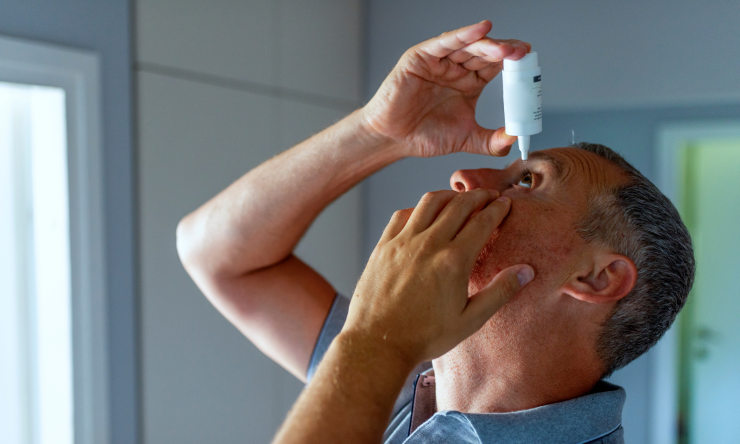
For people living with glaucoma, protecting vision is often less about dramatic interventions and more about quiet consistency. Daily eye drops, taken as prescribed, can be...

After four decades of glaucoma and many treatments, Denise has stayed positive, but changes to her sight have made the emotional side of the condition harder. Her advice is to be proactive and find a doctor you trust.

Paul went for an eye test because he couldn’t see the ball on the squash court, expecting a pair of glasses. Instead, he was diagnosed with glaucoma at 44.