
Share


Linda had always been diligent about her eye health. For years she attended regular appointments with her optometrist and was reassured that everything looked fine. But in 2009, during one of those routine visits, something unexpected happened.
“I was diagnosed in 2009 when I was 54. All along I'd had yearly checks by my optometrist, was told my pressures were fine and there was no concern,” Linda says.
That year, however, she had a question prompted by public health campaigns she had seen. “That year I asked about macular degeneration because there were constant ads about it and I was concerned. The optometrist spent a long time looking into the back of my eye then sent me to the ophthalmologist and there the diagnosis was made.”
At the time, the news didn’t feel particularly alarming. “I didn't know glaucoma could eventually lead to blindness so I was unperturbed,” she explains.
Over time, however, her perspective changed. Linda initially expected that treatment would manage the condition easily. “No, I just thought the drops would solve my problem and I remained unconcerned.”
Despite treatment with eye drops and laser therapy, her vision gradually worsened.

“Over the years, I've had significant vision loss despite pressures of 10-12 in both eyes following the eye drops and laser treatment.”
Eventually, Linda lost all her peripheral vision, and the loss began affecting her central vision as well. At that point, her ophthalmologist suggested surgery.
“When I lost all my peripheral vision and the loss started creeping into my central vision, my ophthalmologist was very concerned and suggested a trabeculectomy which sounded horrifying to me.”
She recalls the difficult decision that followed: “He cautioned that my optic nerve was fragile, like an old tv set with flickering signals, and warned of the possibility that the signals might get snuffed out as a result of surgery… I decided against surgery.”
Living with glaucoma has had a significant impact on Linda’s day-to-day life. “It is constantly on my mind despite every effort not to dwell on it,” she says.
Vision loss has meant giving up driving and adapting to new challenges with mobility. “I've lost my driver's licence because of the vision loss. I have had many falls so I am doing balance and core muscle exercises to mitigate this.”
She has also found ways to improve her safety and confidence when moving around independently. “I feel very vulnerable when walking on my own and have taken to using a walking stick, which helps.”
For people newly diagnosed with glaucoma, her advice is simple and practical: “Consult an ophthalmologist who sees you and educate yourself on the subject as much as possible.”
By sharing her experience, Linda hopes others will better understand how glaucoma can progress - and the importance of learning about the condition and seeking support along the way.
Every glaucoma journey is different. If you’d like to share your story and help others feel less alone, tell us about your experience here: https://glaucomaaustralia.typeform.com/ShareYourStory
Support for People Living with Glaucoma
If you or someone you love has been diagnosed with glaucoma, you are not alone.
Glaucoma Australia’s SiGHTWiSE program provides free education and support to help people understand their diagnosis and manage their eye health.
Support includes:
Qualified orthoptist educators and health counsellors
Free phone support and guidance
Educational resources and webinars
Access to peer support communities
📞 Call: 1800 500 880
🌐 Learn more: glaucoma.org.au/sightwise

After four decades of glaucoma and many treatments, Denise has stayed positive, but changes to her sight have made the emotional side of the condition harder. Her advice is to be proactive and find a doctor you trust.
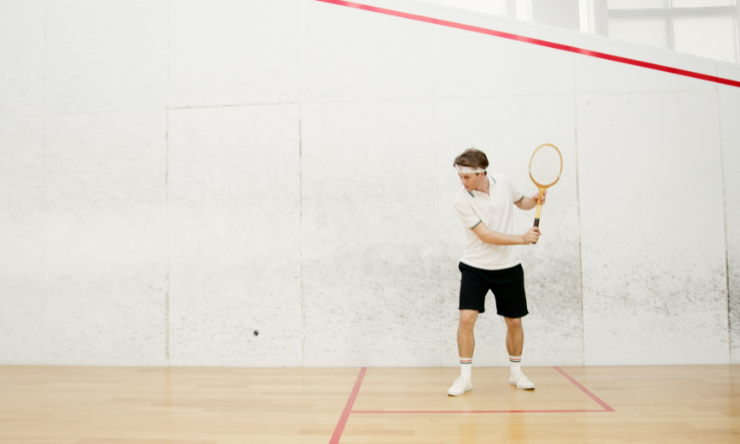
Paul went for an eye test because he couldn’t see the ball on the squash court, expecting a pair of glasses. Instead, he was diagnosed with glaucoma at 44.

In paediatric eye care, urgency is determined not only by disease severity, but by the narrowing window for visual development. From recognising red flags and referring promptly, to providing ongoing refractive and low-vision care, optometrists play...