
Share


Patients are often surprised and ask, “If my eye pressure is normal, how can I have glaucoma?” It is a fair question. Eye pressure is an important risk factor for glaucoma, but a normal reading does not guarantee that the optic nerve is safe from damage or that it is a defining feature of the disease.
Glaucoma causes progressive damage to the optic nerve, sometimes even when eye pressure falls within the “statistically normal” range. This is called normal-tension glaucoma (NTG) and it is when fluctuations in pressure, such as daily or nightly spikes, can also drive progressive damage (Lee et al., 2020; Kim et al., 2023).
The reason this can happen is that not every optic nerve responds to eye pressure in the same way. Two people can have the same eye pressure, yet one may have a healthy optic nerve while the other develops progressive damage. Some optic nerves are more susceptible to injury, meaning that a pressure level considered normal for the general population may still contribute to damage in a particular individual.
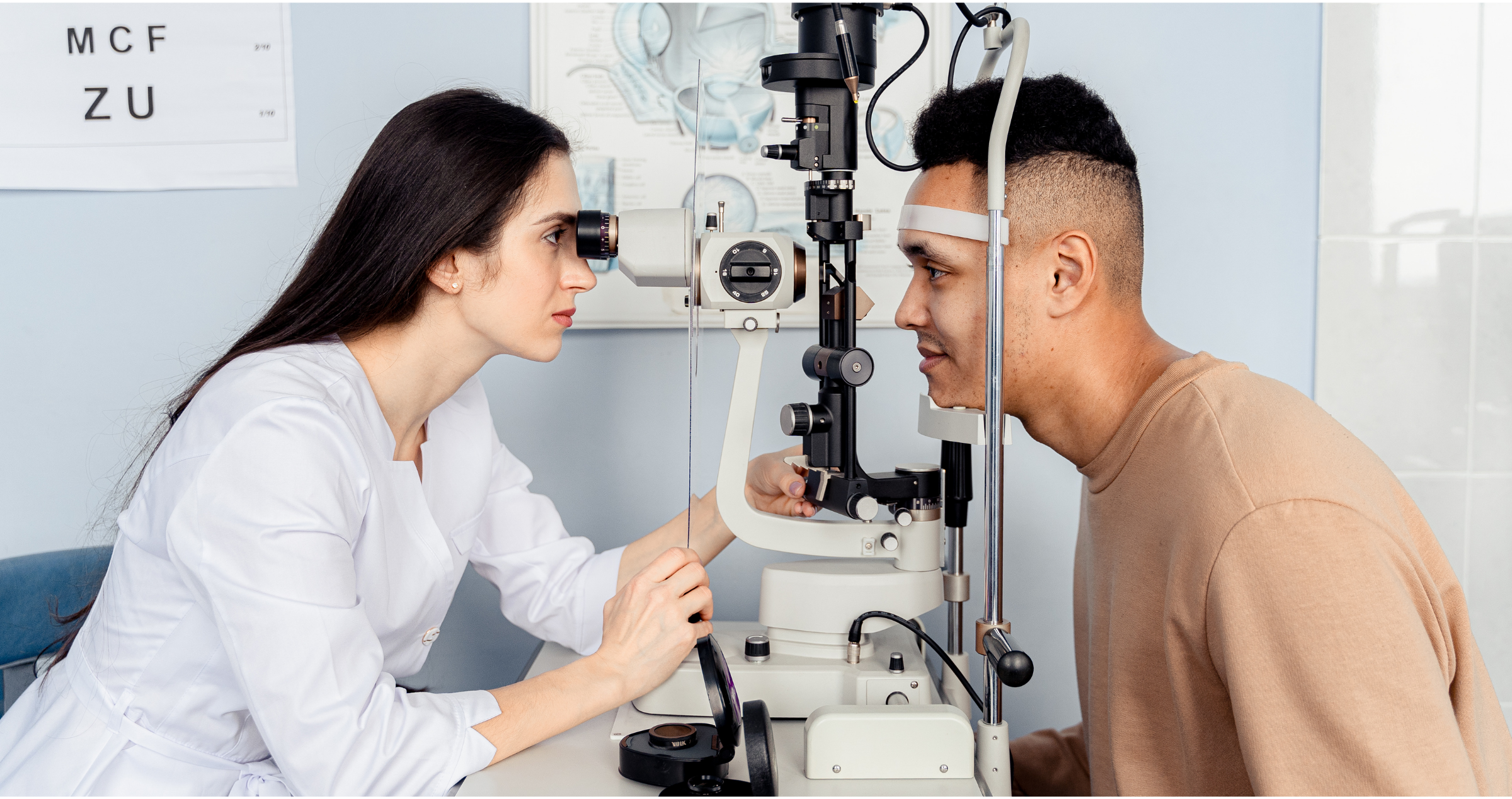
This is why modern glaucoma care goes beyond simply checking eye pressure. Optometrists also assess the structure of the eye, carefully examine the optic nerve, use advanced imagining scans to look for structural changes, and assess visual fields to identify any defects or changes in peripheral vision. Together, these assessments help identify signs of glaucoma and monitor for changes over time.
The introduction of Optical Coherence Tomography (OCT) into routine practice has been a game-changer in the optometry world and is now utilised in most practices. OCT provides objective measurements of the structures at the back of the eye, including the retinal nerve fibre layer, which contains the fibres that form the optic nerve. These measurements can help identify structural changes associated with glaucoma, sometimes before vision is affected (Ashby, 2024).
This is particularly important when eye pressure is within the normal range, as OCT may reveal changes that would not be apparent from a pressure reading alone. By monitoring these structures over time, optometrists can look for evidence of progression and determine whether further investigation is needed. OCT findings are considered alongside the optic nerve examination, eye pressure and visual field results to build a more complete picture of a patient's eye health.
This shift means more people are detected and referred with possible glaucomatous changes - especially those with normal pressures but subtle optic nerve changes.
Understandably, being referred to an ophthalmologist for further glaucoma testing can feel confronting. Large Australian data sets show that when an optometrist refers a patient, about 40–50% are confirmed to have glaucoma, another 30–40% are classed as suspects needing careful monitoring, and only around 20% turn out not to have the disease (Paul et al., 2024; Mivision, 2020).


After 40 years of protecting sight and changing lives, Glaucoma Australia is entering a new chapter.
For four decades, Glaucoma Australia has stood alongside Australians affected by glaucoma, providing...
For many people with glaucoma, treatment focuses on one important goal: lowering pressure inside the eye.
Eye drops, laser treatment and surgery can all help lower intraocular pressure (IOP)...

Three-quarters of US glaucoma surgeons support interventional glaucoma. Numbers in the UK are similar. But what about the Australian context? Insight investigates.