
Share


For many people with glaucoma, treatment focuses on one important goal: lowering pressure inside the eye.
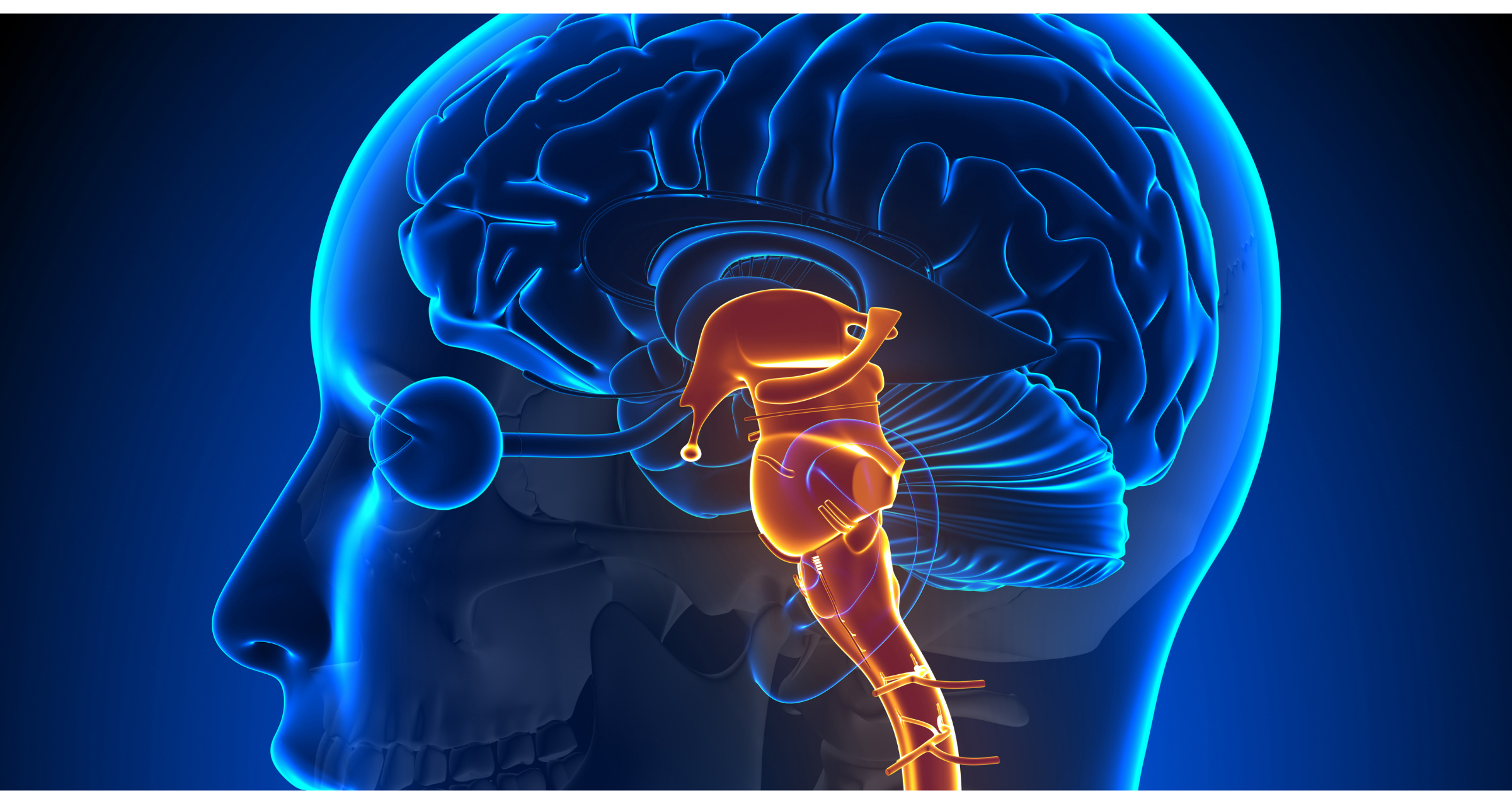
Eye drops, laser treatment and surgery can all help lower intraocular pressure (IOP), an important modifiable risk factor for glaucoma. Lowering IOP can slow the progression of glaucoma and help protect vision. However, researchers are asking an important question:
Could we do more than lower eye pressure?
Increasingly, scientists are investigating treatments that aim to protect the nerve cells damaged by glaucoma - and potentially help them survive and function for longer. This area of research is known as neuroprotection.
What is neuroprotection?
Glaucoma damages the optic nerve, which carries information from the eye to the brain. Over time, damage to the optic nerve can cause permanent vision loss.
Current glaucoma treatments primarily work by reducing IOP, helping to reduce one of the major factors that contributes to optic nerve damage.
Neuroprotection takes a different approach. Rather than focusing only on reducing the pressure that may be contributing to nerve injury, it aims to keep nerve cells alive and functioning.
Researchers are investigating whether it may be possible to protect these cells by targeting some of the biological processes involved in their injury and survival. These include:
mitochondrial dysfunction, which can affect how cells produce and use energy
oxidative stress, which can damage cells
inflammation and changes in the immune system
problems with the transport of essential substances along nerve fibres
other mechanisms involved in nerve-cell survival. [1–4]
The hope is that, by better understanding these processes, researchers may eventually develop treatments that protect the optic nerve even when lowering eye pressure alone is not enough.
Why is this important?
Lowering IOP remains the established approach for slowing glaucoma progression. However, glaucoma can sometimes continue to progress despite treatment and apparently well-controlled eye pressure.
This is one reason researchers are looking beyond IOP.
If scientists can identify ways to make retinal and optic nerve cells more resilient, future treatments could potentially complement existing pressure-lowering therapies.
This is particularly important because vision lost from glaucoma cannot currently be restored. Protecting nerve cells before they are permanently damaged is therefore a major focus of glaucoma research.
What are researchers investigating?
Neuroprotection is a broad and rapidly developing area of research. Scientists are investigating a range of biological pathways that may contribute to optic nerve damage and nerve-cell survival.
Recent laboratory research has explored pathways involving CaMKII, neuroinflammation and mitochondrial function. Other research has examined AIBP-related mechanisms and the role of the immune system in the retina. [1,3,4]
Mitochondria are of particular interest because they provide cells with the energy they need to function. Retinal ganglion cells - the nerve cells in the retina that are damaged in glaucoma -have high energy demands. Research suggests that problems with mitochondrial function may contribute to their vulnerability in glaucoma. [1,2]
Researchers are also investigating the relationship between inflammation and nerve-cell damage. For example, recent research into AIBP (apolipoprotein A-I binding protein) has examined whether restoring AIBP activity could reduce neuroinflammation, improve mitochondrial function and protect retinal ganglion cells. Encouraging results have been seen in laboratory and animal models, but this remains experimental research rather than an established treatment for people with glaucoma. [4]
These studies are helping researchers understand the complex processes that occur inside the eye as glaucoma develops and progresses.
Importantly, researchers are not necessarily looking for a single cause or a single treatment. Glaucoma is a complex disease, and several biological processes may contribute to nerve-cell damage.
Understanding how these processes interact could help researchers identify new ways of slowing or preventing damage.
What about neuroregeneration?
Some researchers are taking the idea a step further and investigating neuroregeneration - whether damaged nerve cells or their connections could potentially be repaired or restored.
This is an especially exciting area of research because of the possibility of improving vision after damage has occurred.
However, restoring damaged optic nerve cells is extremely challenging. The optic nerve contains millions of nerve fibres that need to connect accurately with the brain to transmit visual information.
While laboratory research is exploring ways to encourage nerve-cell survival, repair and regeneration, these approaches are still being investigated. They are not currently established treatments that can restore vision lost through glaucoma. [1,3]
From promising research to proven treatment
It is important to distinguish between promising research findings and treatments that have been proven to work in patients.
A treatment that produces encouraging results in laboratory experiments does not necessarily mean it will be safe or effective in people.
Potential treatments need to progress through carefully designed clinical trials to determine whether they work, what side effects they may cause, which patients might benefit, and how they compare with existing treatments.
Researchers also need to understand whether any benefits are sustained over the long term.
As of 2026, neuroprotection has not replaced IOP reduction as the established treatment for slowing glaucoma. Evidence from clinical research remains insufficient to establish neuroprotective medicines as effective treatments for glaucoma, while many newer neuroprotective and neuroregenerative approaches remain in laboratory or early clinical development. [1,3]
This means people with glaucoma should not stop or change their prescribed treatment because of emerging research. Current treatments remain important for protecting the vision you have.
What does the future hold?
The growing interest in neuroprotection reflects a broader understanding of glaucoma.
For many years, research and treatment have focused heavily on eye pressure. While IOP remains critically important, scientists are increasingly studying what happens to the cells and tissues of the eye at a much deeper level.
This research could eventually lead to new treatments that work alongside pressure-lowering therapies — potentially protecting nerve cells through different pathways and helping people preserve their vision for longer.
There is still much to learn. But every discovery about how glaucoma damages nerve cells brings researchers closer to understanding how that damage might be prevented.
For now, the best way to protect your vision is to follow your glaucoma treatment plan, attend your recommended eye examinations and speak with your ophthalmologist if you have concerns about your treatment.
Research into neuroprotection offers hope for the future — but today, early detection, regular monitoring and effective treatment remain the best tools we have to protect sight from glaucoma.
References
1. Sena DF, Lindsley K. Neuroprotection for treatment of glaucoma in adults. Cochrane Database of Systematic Reviews. 2017;1:CD006539.
2. Sundaram RP, Pattamatta U, White AJ, et al. Mitochondrial insufficiencies and neuroprotection in glaucoma. International Ophthalmology. 2026;46(1):279. doi:10.1007/s10792-026-04158-9.
3. Martucci A, Anselmi C, Romano E, et al. Metabolic and Immunometabolic Neuroprotection in Glaucoma: Mitochondrial Dysfunction, Neuroinflammation, and Emerging Therapeutic Strategies. Molecules. 2026;31(19):3367.
4. Restoring AIBP expression in the retina provides neuroprotection in glaucoma. Molecular Therapy. 2025;33(8):3841–3862. doi:10.1016/j.ymthe.2025.05.009.

After 40 years of protecting sight and changing lives, Glaucoma Australia is entering a new chapter.
For four decades, Glaucoma Australia has stood alongside Australians affected by glaucoma, providing...
Three-quarters of US glaucoma surgeons support interventional glaucoma. Numbers in the UK are similar. But what about the Australian context? Insight investigates.

For people living in regional or rural areas, managing a lifelong condition like glaucoma can sometimes feel like another responsibility to fit into an already busy life. Patients may be balancing their appointments...