
Share


For people living in regional or rural areas, managing a lifelong condition like glaucoma can sometimes feel like another responsibility to fit into an already busy life. Patients may be balancing their appointments around harvests, family commitments, work and everyday responsibilities, or simply the reality that their nearest specialist may be a long drive away.

For many, a trip to town is carefully planned around their healthcare needs. They might combine a glaucoma appointment with grocery shopping, other medical appointments, or whatever else needs to be done that day. These extra considerations can make managing glaucoma feel more challenging, which is why accessible, flexible and supportive care can make such a meaningful difference for people living in regional and rural communities.
While life in a regional or rural area can bring extra challenges, with a little planning and support, it’s possible to stay on top of your eye health while balancing the other important things in life.
Don't wait until your eyes feel different
One of the tricky things about glaucoma is that it can cause permanent vision loss without you noticing any changes. Your vision may feel completely normal, even while glaucoma is quietly affecting the optic nerve and gradually changing your peripheral vision.
That’s why it’s so important to keep up with your glaucoma appointments, even when your vision feels perfectly fine. Regular check-ups allow your eye care team to monitor your eyes closely, identify any changes as early as possible and make adjustments to your treatment if needed. Staying on top of your appointments is one of the best ways to protect and preserve your vision.
Get the most out of your local eye care team
If travelling to see an ophthalmologist regularly is difficult, it may be worth asking whether shared care with a local optometrist could be an option. For people with stable glaucoma, some of the regular monitoring can often be done closer to home, while the ophthalmologist remains involved and can provide specialist care whenever it’s needed.
It’s perfectly reasonable to ask your eye care team: “What parts of my glaucoma care can I access closer to home, and when will I need to see my ophthalmologist?” This can help make managing glaucoma a little easier and more convenient, without compromising your ongoing care.
Make every trip count
If you do need to travel a long distance for your glaucoma care, it’s worth asking whether your appointments can be coordinated into a single visit. In many cases, tests such as visual field testing and OCT scans can be arranged on the same day as your consultation, helping to reduce the need for multiple trips.
It can also be helpful to keep track of when your next appointment is due and book ahead where possible. A little forward planning can make managing your glaucoma care much easier and less stressful.
Make your glaucoma treatment part of your everyday routine
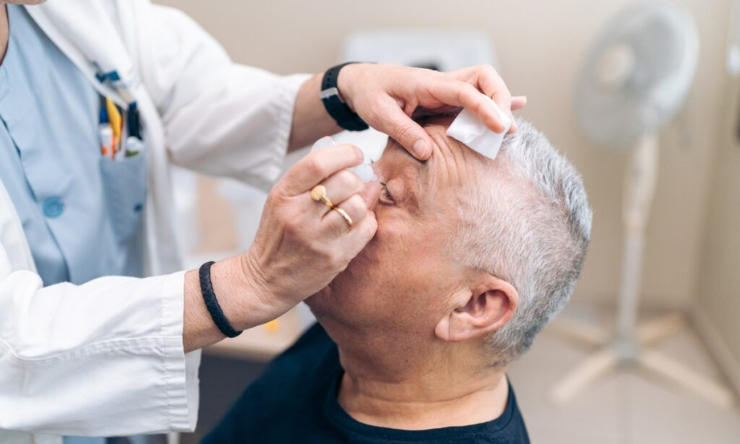
Glaucoma treatment is often easier to manage when it becomes a natural part of your daily routine, rather than something you have to constantly remember. Try linking your eye drops to something you already do each day, such as brushing your teeth or having breakfast. If you need to use your drops at night, keeping them somewhere visible, such as beside your bedside table, can serve as a helpful reminder. A simple phone reminder can also be helpful if you need an extra prompt. Small changes like these can make it easier to stay on track with your treatment.
If your pharmacy is a long way from home, it can help to plan ahead and organise your repeat prescriptions before you run out. And if you’re finding your eye drops difficult to use or fit into your routine, let your eye care professional know. They may be able to offer practical tips or suggest ways to make your treatment easier to manage.
Know when your symptoms need urgent attention
Not every change in your eyes should wait until your next scheduled appointment. If you suddenly develop severe eye pain and redness, along with blurred vision or seeing haloes around lights, particularly if you also have a headache or nausea, it’s important to seek urgent eye care. These symptoms can be a sign of a sudden increase in eye pressure and need prompt assessment rather than a wait-and-see approach.
You’re an important part of your eye care team, too
Keep a list of your eye drops and the names of the eye care professionals involved in your care somewhere easy to find, such as your phone or on a piece of paper in your wallet. It’s also important to let your healthcare team know if there are any changes to your medications, treatment or general health, as this information can help them provide the best care for you.
None of this means glaucoma care has to feel like an uphill battle just because you live rurally. With a good routine, a supportive team and a plan for the long trips, you can stay just as on top of your glaucoma as anyone living around the corner from a specialist. Living rurally may change how your care is organised, but it doesn’t have to mean compromising your eye health.


After 40 years of protecting sight and changing lives, Glaucoma Australia is entering a new chapter.
For four decades, Glaucoma Australia has stood alongside Australians affected by glaucoma, providing...

For many people with glaucoma, treatment focuses on one important goal: lowering pressure inside the eye.
Eye drops, laser treatment and surgery can all help lower intraocular pressure (IOP)...
Three-quarters of US glaucoma surgeons support interventional glaucoma. Numbers in the UK are similar. But what about the Australian context? Insight investigates.