
Share


Glaucoma treatments are designed to reduce eye pressure and protect your vision. However like any therapy, they can cause side effects. Awareness of potential side effects helps patients and caregivers recognise issues early, manage them appropriately and stay on track with treatment.

Glaucoma can be managed with eye drops, oral medications, laser procedures and surgery. Eye drops remain the mainstay of treatment and are generally well tolerated. Most side effects involve the eyes (local) but can occasionally impact other parts of the body (systemic).
Glaucoma medications fall into five main classes: prostaglandin analogues, beta blockers, alpha agonists, carbonic anhydrase inhibitors and miotics. Each class works differently to reduce eye pressure, and each has its own side effect profile. Combination drops contain two classes of medication in one bottle and can cause side effects from both components. The table lists the generic and branded formulations of the available eye drops. (The miotics class of medications are rarely used and not discussed in this article).
Medication class | Active Ingredient | Brand Names |
Prostaglandin Analogues (PGA)
| Latanoprost Bimatoprost Travaprost | Xalatan, Xalaprost Lumigan, Bimtop, Bimprozt, Lumigan PF Travatan |
Beta blockers | Timolol Betaxolol | Timoptol, Timoptol XE Betoptic, Betoquin |
Alpha agonists | Brimonidine | Alphagan, Enidin, Alphagan P 1.5 |
Carbonic anhydrase inhibitors (CAI) | Brinzolamide Dorzolamide | Azopt, BrinzoQuin Trusopt, Trusamide |
Miotics (rarely used) | Pilocarpine | Isopto Carpine, Minims Pilocarpine |
Combination Drops Beta Blocker + PGA Beta Blocker + CAI Beta Blocker + Alpha agonist Alpha agonist + CAI | Xalacom, Xalamol 50/5, Ganfort, Ganfort PF, Duotrav Azarga, Cosopt, Cosdor, Vizo PF Dorzolatim Combigan Simbrinza |
Common local side effects of glaucoma eye drops
- Mild irritation, stinging, or redness is very common after instillation and usually short lived. This does not harm the eye and can indicate that the drop has successfully reached the eye surface. Burning and stinging eyes is more pronounced with carbonic anhydrase inhibitors. Intense or prolonged symptoms should be reported.
Temporary blurred vision is common after instilling eye drops, particularly with thicker formulations such as brinzolamide, which need to be shaken well before each use. Wait until vision clears before driving or working,
Persistent redness or irritation is common with all prostaglandin analogues, particularly at the beginning. These effects are variable but typically improve over time and using these drops at night helps minimise this.
A common eye drop preservative called benzalkonium chloride (BAK) can also irritate the eyes, especially with long term and multiple medication use. Preservative-free single dose formulations (highlighted in green in the table) or drops containing an alternative preservative to BAK (highlighted in blue) may help.
People with existing conditions such as dry eye or blepharitis may be more sensitive to irritation, and so additional treatments may be recommended.
Using expired or contaminated drops can also cause irritation. Always check expiry dates, store drops correctly, and discard bottles as directed.
Red, Itchy and swollen eyes / eyelids may indicate an allergy to the medication, preservative or an external factor unrelated to the drops. Allergic reactions to eye drops can develop weeks to months after starting treatment with alpha agonist eye drops, and less commonly with carbonic anhydrase inhibitors.
- Changes in eye appearance such as longer eyelashes, darkening of the iris colour, eyelid skin darkening, or a sunken appearance of the eyes are common side effects of prostaglandin analogues. Gently wiping away excess drops on the skin and avoiding eye rubbing can reduce skin darkening. Discuss alternative treatment options with your ophthalmologist or optometrist if only one eye requires treatment, and these cosmetic changes are a concern.
Systemic side effects of glaucoma eye drops.
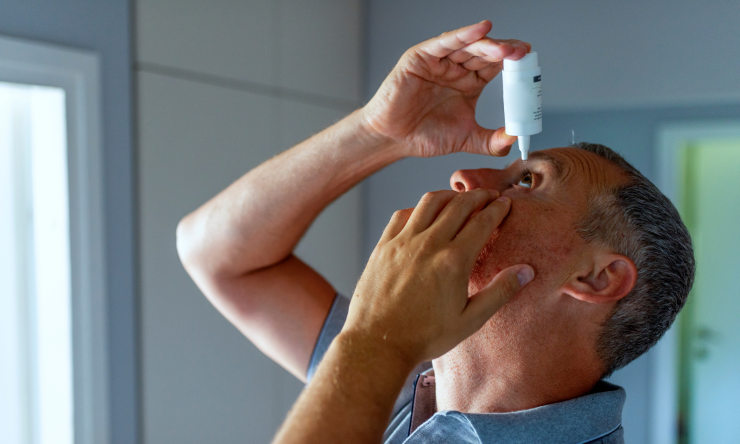
While glaucoma eye drops act mainly on the eye, small amounts can enter the bloodstream through the tear duct and affect other parts of the body. Although this is uncommon, it is important to recognise, especially in higher risk groups such as the elderly, people with lung or heart conditions, children and those taking other medications. To reduce absorption into the bloodstream and the risk of side effects, gently close eyes immediately after instilling the drop. Avoid blinking or moving the eyes around and press the inner corner of the eye for two minutes. This prevents the medication from draining into the throat and can reduce the risk of throat irritation or altered taste. Potential systemic side effects include:
- Dry mouth can occur with alpha agonists and carbonic anhydrase inhibitors
- Fatigue, light headedness, drowsiness, headaches, sleep or mood changes can occur with alpha agonists, beta blockers or carbonic anhydrase inhibitors
- Gastrointestinal upset is occasionally reported with beta-blockers or carbonic anhydrase inhibitors and is uncommon with prostaglandin analogues
- Breathing difficulties such as shortness of breath or wheezing are more likely with beta blockers and less common with prostaglandin analogues - particularly in people with asthma or chronic lung disease,
- Slow heart rate, irregular heart rhythm or low blood pressure can occur with beta blockers, alpha agonists and rarely with carbonic anhydrase inhibitors and some prostaglandin analogues
- Allergic or skin reactions are an uncommon side effect of all medications
If you experience serious symptoms, immediately contact your optometrist or ophthalmologist, general practitioner or emergency department if needed.
Other glaucoma treatments
Oral medications can be used to lower eye pressure, but they are typically reserved for short term situations, and are more likely to cause systemic side effects; These include frequent urination, stomach upset, tingling in the fingers or toes, tiredness or mood changes.
Laser and surgical procedures are generally safe and valuable alternatives when medications are not sufficient or poorly tolerated. As with any procedure, the healing process may cause temporary local side effects, such as eye redness, discomfort, blurry vision, or light sensitivity. Most people recover quickly and serious complications such as infection are rare.
Key Takeaways
Glaucoma treatments are effective, though no treatment is completely free of side effects. Most are mild and manageable, but some can be more serious. Share your full medical history with your eye care practitioner, use eye drops correctly and attend all scheduled follow-up appointments. Keep a symptom diary to track changes and report any new, intense, or persistent symptoms promptly - even if they seem unrelated. Open communication with your eye care team is key, and if you are unsure about anything, speak with your eye care practitioner or contact Glaucoma Australia for advice.
Reference: eMIMS Australia retrieved November 25

For people living with glaucoma, protecting vision is often less about dramatic interventions and more about quiet consistency. Daily eye drops, taken as prescribed, can be...

After four decades of glaucoma and many treatments, Denise has stayed positive, but changes to her sight have made the emotional side of the condition harder. Her advice is to be proactive and find a doctor you trust.

Paul went for an eye test because he couldn’t see the ball on the squash court, expecting a pair of glasses. Instead, he was diagnosed with glaucoma at 44.